



For B2B travel companies, understanding how hotel groups, chains, and brands operate is key to meeting their needs efficiently. In the global hospitality market, these categories dictate everything from pricing strategies to service consistency. Knowing how these elements work allows you to offer better options, negotiate smarter deals, and enhance the overall travel experience for your clients. Let’s explore what sets hotel groups, chains, and brands apart and how this knowledge can improve your business strategies.
TL;DR
- Hotel groups are parent companies that own or manage multiple chains and brands.
- Hotel chains focus on operational consistency across properties.
- Hotel brands define the guest experience and target specific traveler segments.
- One hotel group can operate multiple brands across different price points.
- Partnering with hotel groups simplifies contracts, inventory access, and negotiations.
- Ownership models impact service quality and consistency across properties.
- Understanding these structures helps B2B travel companies recommend better hotels and close smarter deals.
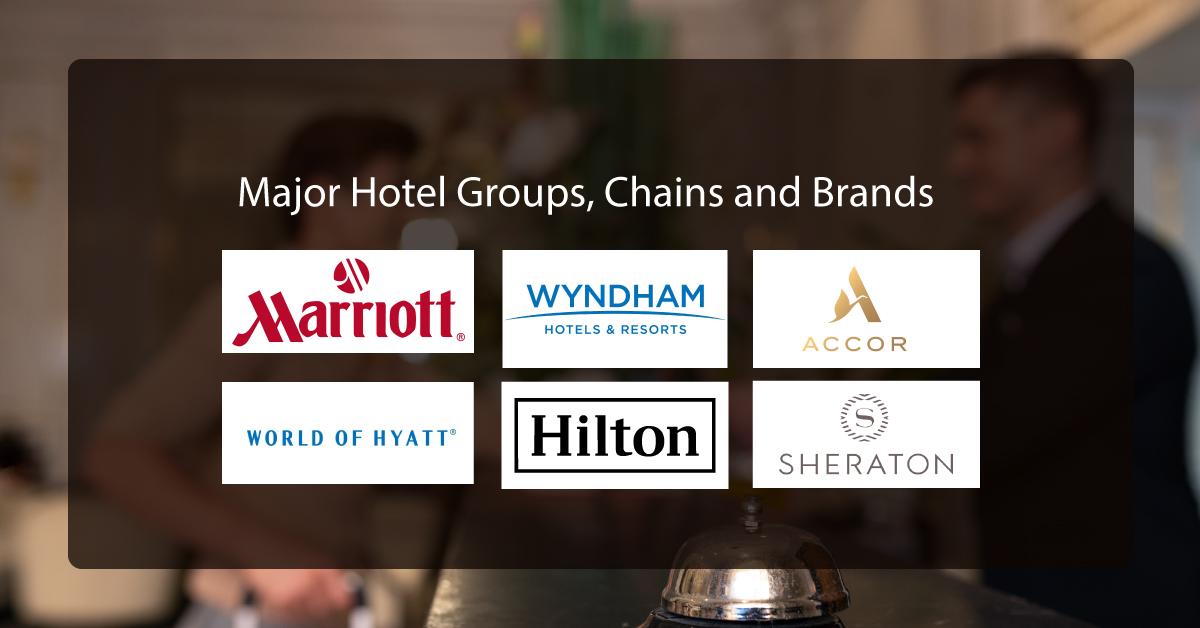
What Are Hotel Groups: Key Players in Hospitality
Hotel groups are major enterprises that own or manage a wide range of hotel chains and brands. They bring together diverse hotel types, from high-end resorts to budget-friendly options, all under one corporate umbrella. For B2B travel companies, working with hotel groups simplifies the booking process, providing a wide variety of choices from a single source.
Marriott International, for example, is the largest hotel group globally, with over 30 brands and 9,000 properties. It covers every traveler category, from luxury (The Ritz-Carlton) to more affordable options (Fairfield Inn). This range allows B2B travel companies to meet different client needs while ensuring quality and consistency.
Partnering with a hotel group means access to multiple brands and properties in different markets. This simplifies contract negotiations, offering discounts or loyalty benefits, and enables you to offer a wide range of solutions for various client needs.
Also Read – Four Smart Ways to Build a Solid Hotel Positioning Strategy
What are Hotel Chains: Consistency and Reliability

Hotel Brands: Meeting Specific Client Needs
Hotel brands represent the identity and service level that a hotel chain promises to deliver. Brands target specific types of travelers and experiences, from high-end luxury to budget accommodations. For B2B travel companies, understanding the strengths of each brand helps in aligning the right property with your clients’ needs.
For example, within Marriott’s portfolio, The Ritz-Carlton is known for luxury and exclusivity, while Courtyard by Marriott focuses on business travelers seeking comfort and efficiency. Each brand offers different features, and knowing these distinctions helps you recommend the right property for the right client.
Why It Matters for B2B Travel: Offering the right hotel brand can significantly enhance the client’s experience. Matching your client’s expectations with the correct brand strengthens your service offering and increases client satisfaction.
Understanding Hotel Ownership Models
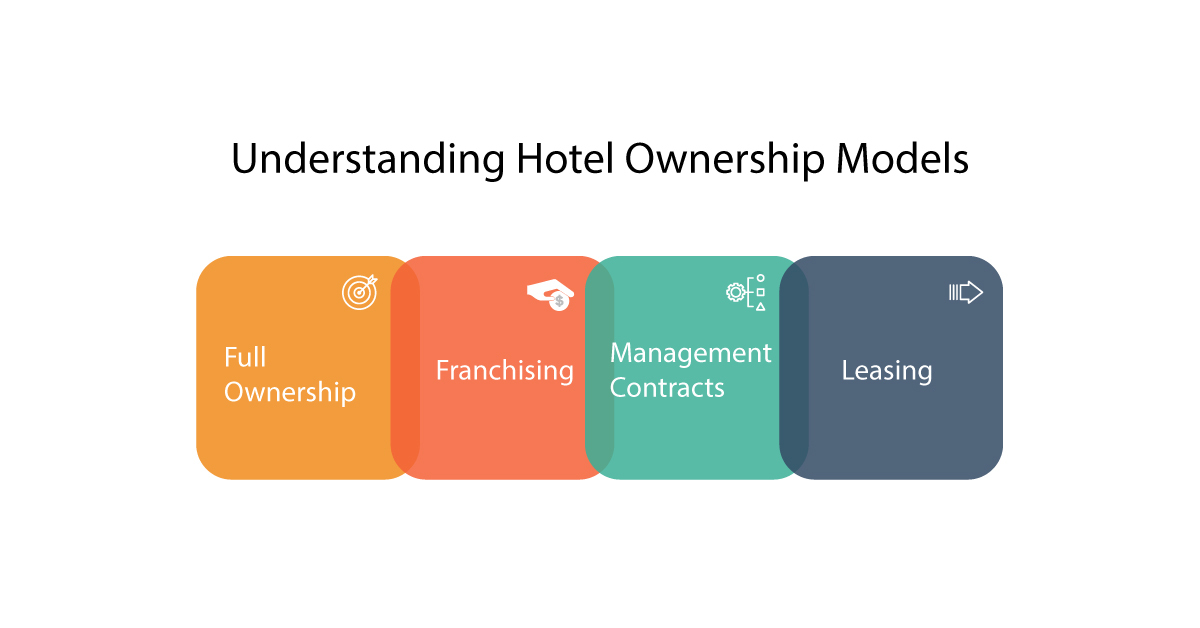
Hotel groups operate through various ownership models, each with its own benefits. Understanding these models helps travel companies evaluate service levels, negotiate better terms, and offer more informed recommendations.
Full Ownership: The hotel group owns and operates the property directly, giving them complete control over service and quality.
Franchising: Independent hotel owners operate under a hotel group’s brand, paying fees to use their marketing and support services. This model allows hotel groups to expand rapidly without directly managing each property.
Management Contracts: The hotel group manages the hotel on behalf of the owner, handling day-to-day operations while the owner maintains the property. This model is common in markets like Asia.
Leasing: Hotel groups lease properties from owners and operate them for a fixed period, maintaining control over operations and service levels.
Knowing the ownership model helps you anticipate service quality and consistency. Franchised hotels, for example, may offer slightly different experiences compared to fully owned or managed properties, allowing you to set the right expectations for your clients.
Final Words!
Over 2 billion people are expected to travel by 2026, and these players will largely influence their experience. Knowledge of these structures allows you to offer better travel solutions and negotiate smarter deals. Mastering how these hospitality giants operate will help you serve your clients more effectively and grow your business at a pace and consistently.
The travel industry stands at a critical juncture. Addressing the complexities of a fragmented ecosystem requires a collaborative approach and a commitment to open technology. Through united efforts, we can create a one-click travel experience that meets and exceeds customer expectations.
This ongoing investment in the future of travel is not just about improving the customer experience; it’s about making travel an effortless and appealing choice that can compete with any other luxury option. As the industry moves forward, all players are invited to join in this effort, working together to create a travel experience that is not only smooth but also compelling.
FAQs
- Can a single hotel belong to multiple hotel groups?
No. A hotel can only belong to one hotel group at a time, though it may change groups if ownership or management agreements change. - Do hotel brands guarantee the same experience at every property?
Brands aim for consistency, but experiences can vary slightly depending on ownership models like franchising versus full ownership. - Why do hotel groups launch new brands instead of expanding existing ones?
New brands allow hotel groups to target emerging traveler segments, price points, or regional preferences without diluting existing brand identities. - How do hotel groups impact pricing for B2B travel companies?
Hotel groups often centralize pricing strategies and contracting, which allows B2B travel companies to access negotiated rates, volume discounts, and bundled deals across multiple brands and regions. - Is it better for B2B travel companies to partner with hotel groups or individual hotels?
Partnering with hotel groups offers scale, consistency, and easier management, while individual hotels may provide flexibility or niche offerings. The right choice depends on your client mix, destination focus, and service expectations.